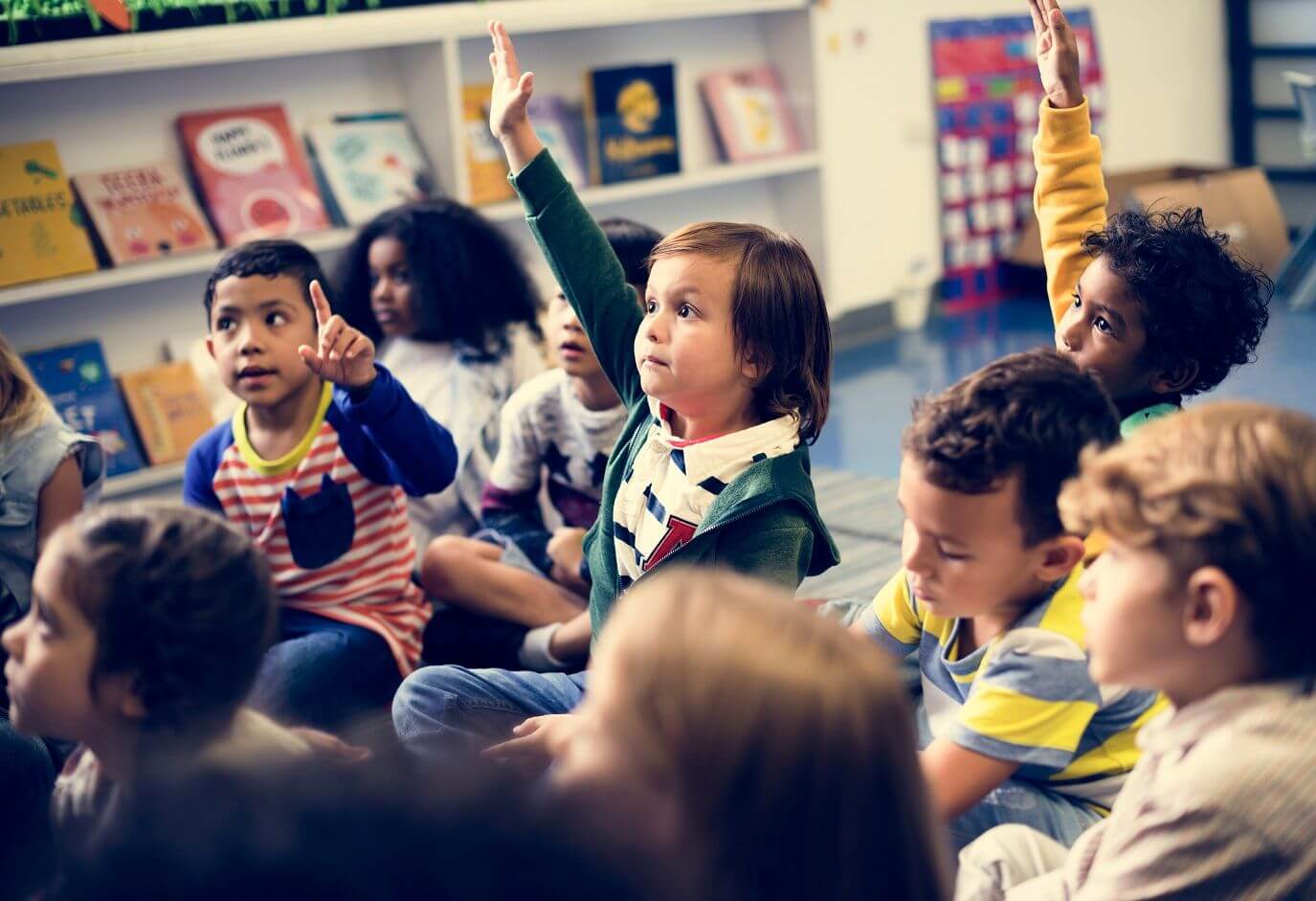
Educator Roles in Transitions
Transitions are a regular part of the daily routine in an early childhood setting and are often a source of stress and anxiety for both educators and children. Specifying clear roles for educators during transitions can be beneficial for many reasons:
- Ensures safety and supervision. When each educator knows exactly what they are responsible for (e.g. leading the line, checking the playground, helping with handwashing), children are less likely to be left unsupervised or overlooked.
- Reduces confusion and chaos. Transitions can already be busy and noisy. Clear roles prevent multiple educators from duplicating, or missing tasks.
- Supports smooth, predictable routines for children. When educators are confident in their roles, they can better guide and reassure children, making transitions calmer and more predictable.
- Helps educators focus on individual needs. Knowing their role allows an educator to, for example, stay back and support a child who needs extra help, while another educator leads the main group.
- Promotes teamwork and efficiency. Everyone knows who does what, reducing misunderstandings and allowing transitions to happen more quickly and smoothly.
The roles allocated during a transition will depend on the number of staff available at the time. Below are examples of how these roles might be assigned when there are three, two, or just one staff member present.
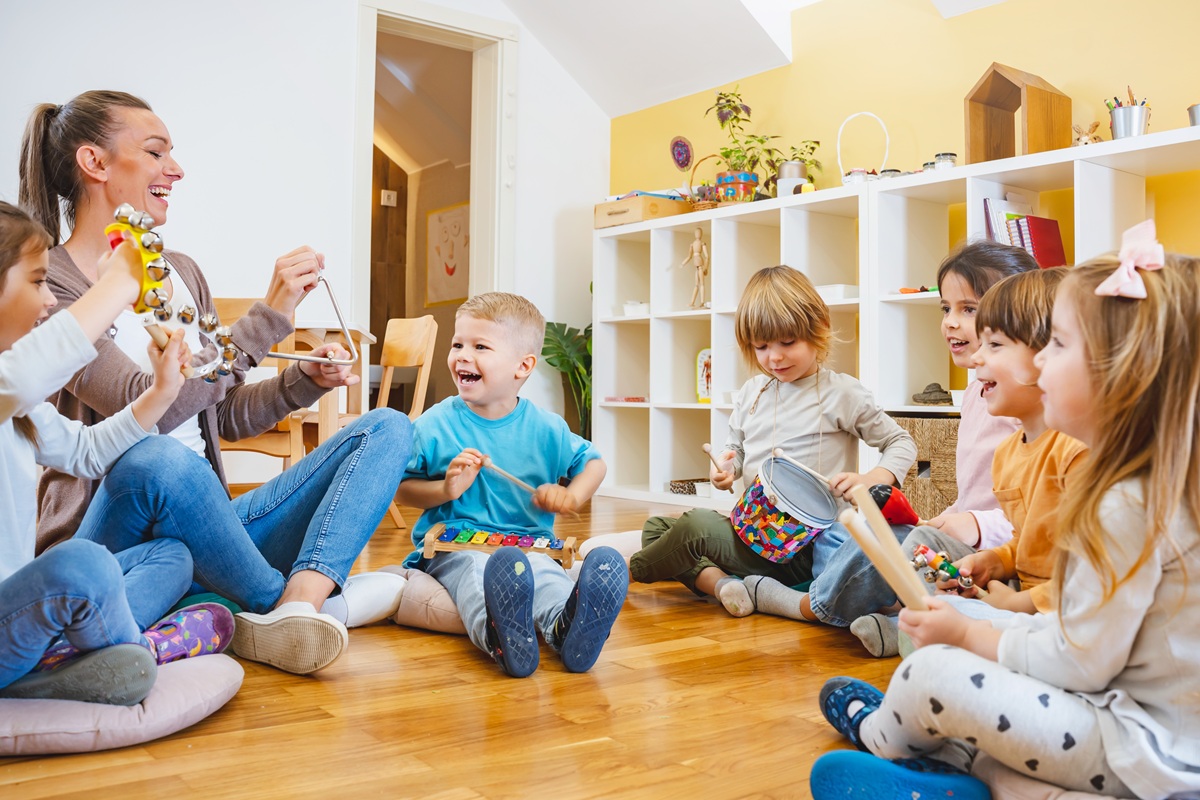
Scenario: Three (3) Staff Members
Suggested roles are listed below.
Educator 1: Transitions the first few children with them to start the next activity, greeting each subsequent child as they arrive and encouraging their participation.
Educator 2: Assists the middle group of children to transition, before joining in with the next activity to help keep the children engaged once most children have transitioned.
Educator 3: Stays at the earlier activity, keeping the children engaged as they wait to transition. This educator then guides the final group to transition and may also support children to pack up, depending on need and the children’s ability.
Scenario: Tw0 (2) Staff Members
Suggested roles are listed below.
Educator 1: This person initiates the transition with several children and begins the next activity (e.g. group time). This person also welcomes each subsequent child as they arrive at the new activity and supports them to join in.
Educator 2 : Stays at the earlier activity to keep children engaged while they wait to transition (e.g. singing songs as they wait for their turn to wash their hands). This may also involve helping children pack away the earlier activity depending on need and the children’s ability. Educator 2 then guides the last few children to the next activity.
Scenario: One (1) Staff Member
There are times when you might be the only educator in the room. This could be because of staff-to-child ratios, the number of children attending that day, or because another educator is busy with a task elsewhere. We understand that managing transitions on your own can sometimes feel challenging and overwhelming. While there is no single solution that works for every situation, we can offer some reflective questions to help guide you. After all, you are the expert on your children, your space, and your routine — so the best approach to transitions will always be the one that suits your unique setting.

It may be useful to remember the main goal of the transition when planning how to carry it out.
Some reflections to consider:
- What you have direct control over and can change: e.g. timings, routines, educator positioning, advance notice, allocation of jobs/roles to children, use of peer modelling, building children’s independence, transitioning all together or a few at a time, how to support engagement, alternatives to handwashing (such as use of wipes), and understanding when and how to seek help.
- What you have no control over: e.g. centre specific timings such as lunch time, break times, building design etc.